BIGSTORY Network


International News Feb. 26, 2026, 3:55 p.m.

The 10-Day Clock: Why Trump's Iran Ultimatum is an Economic Siege, Not Just a Military Threat

The U.S. and Iran enter a "last-chance" round of indirect nuclear negotiations in Geneva as President Trump's 10-day military ultimatum ticks down. Inside the economic siege.

by Author Sseema Giill
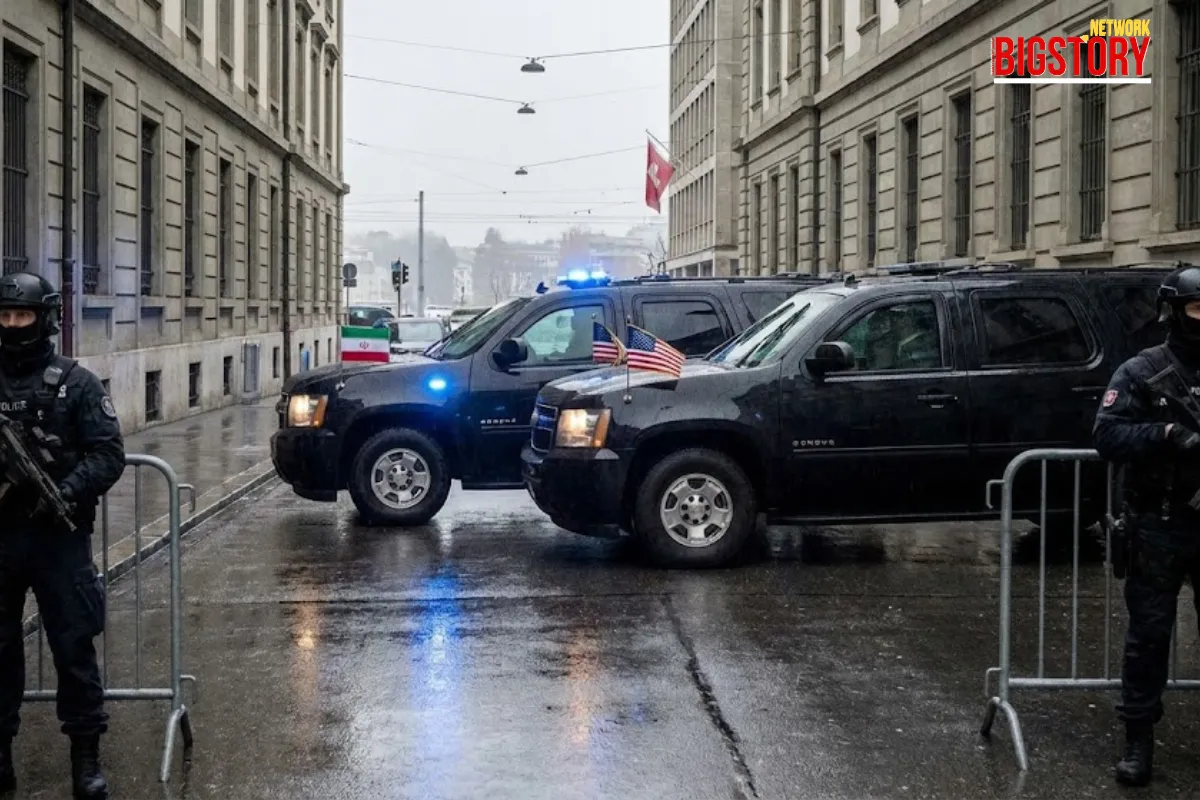
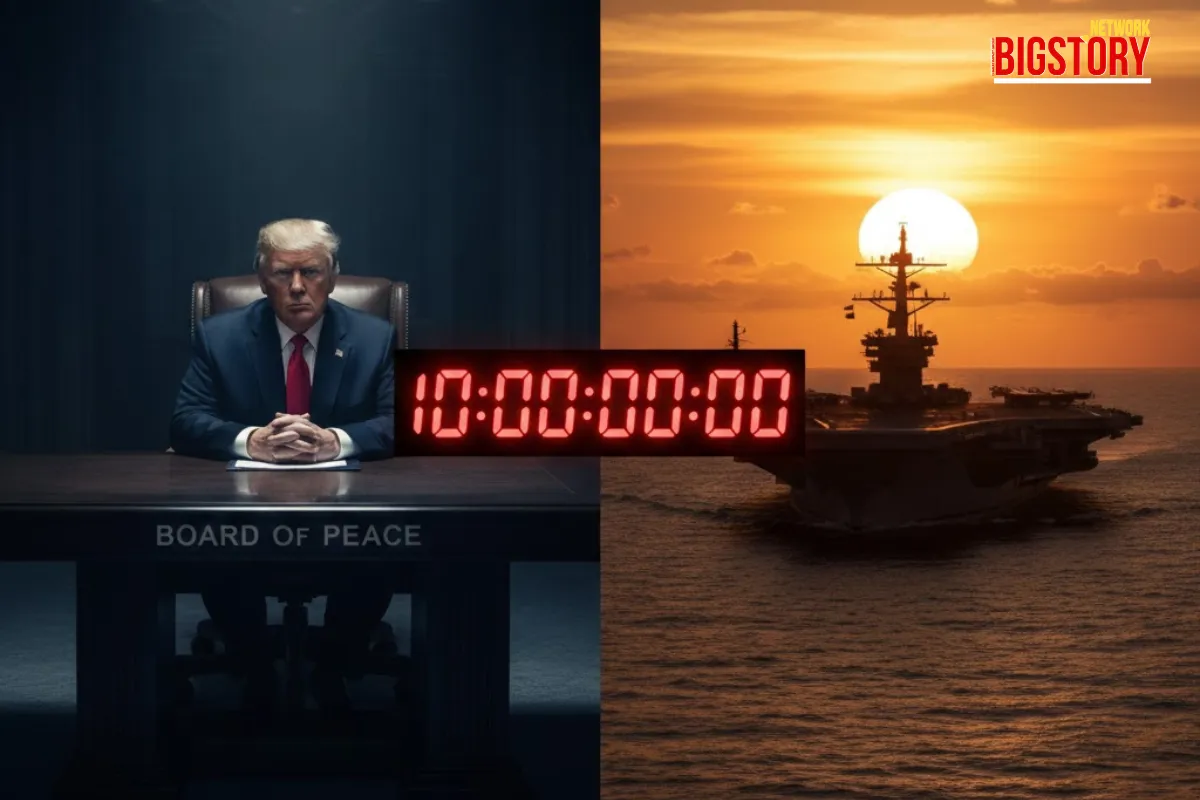
Hero Image

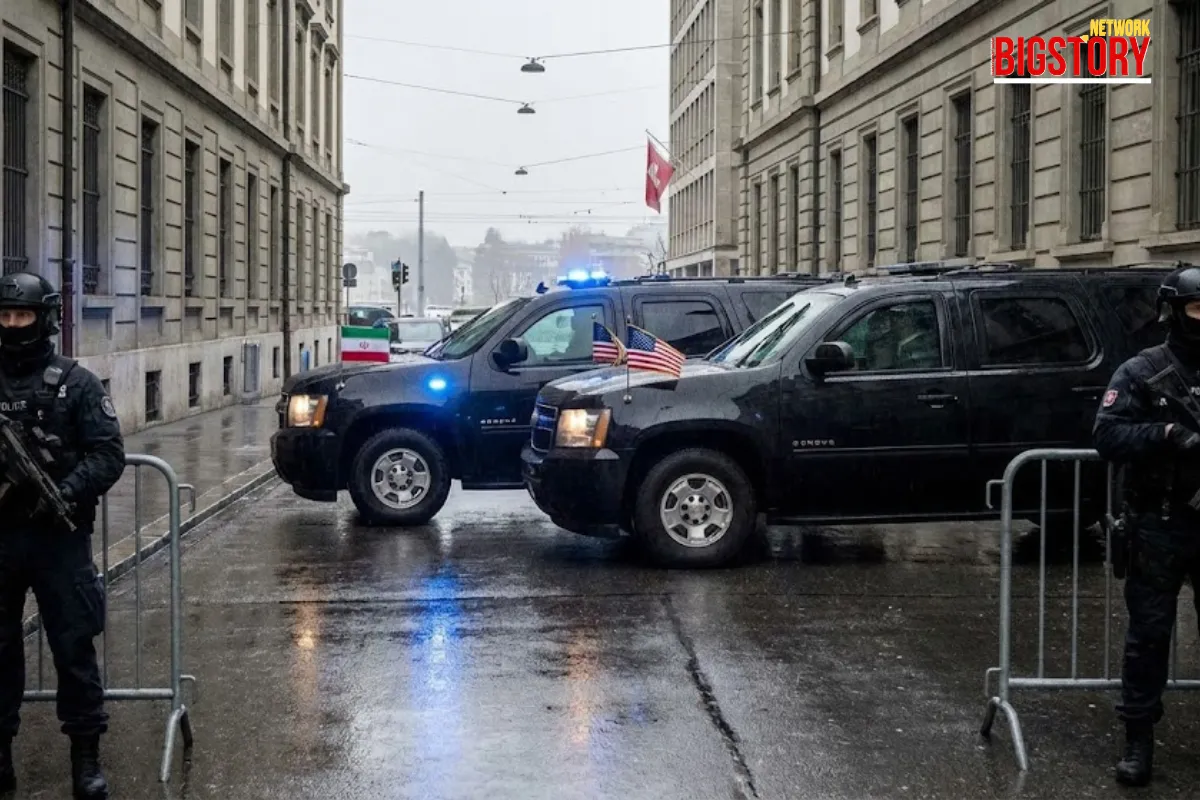
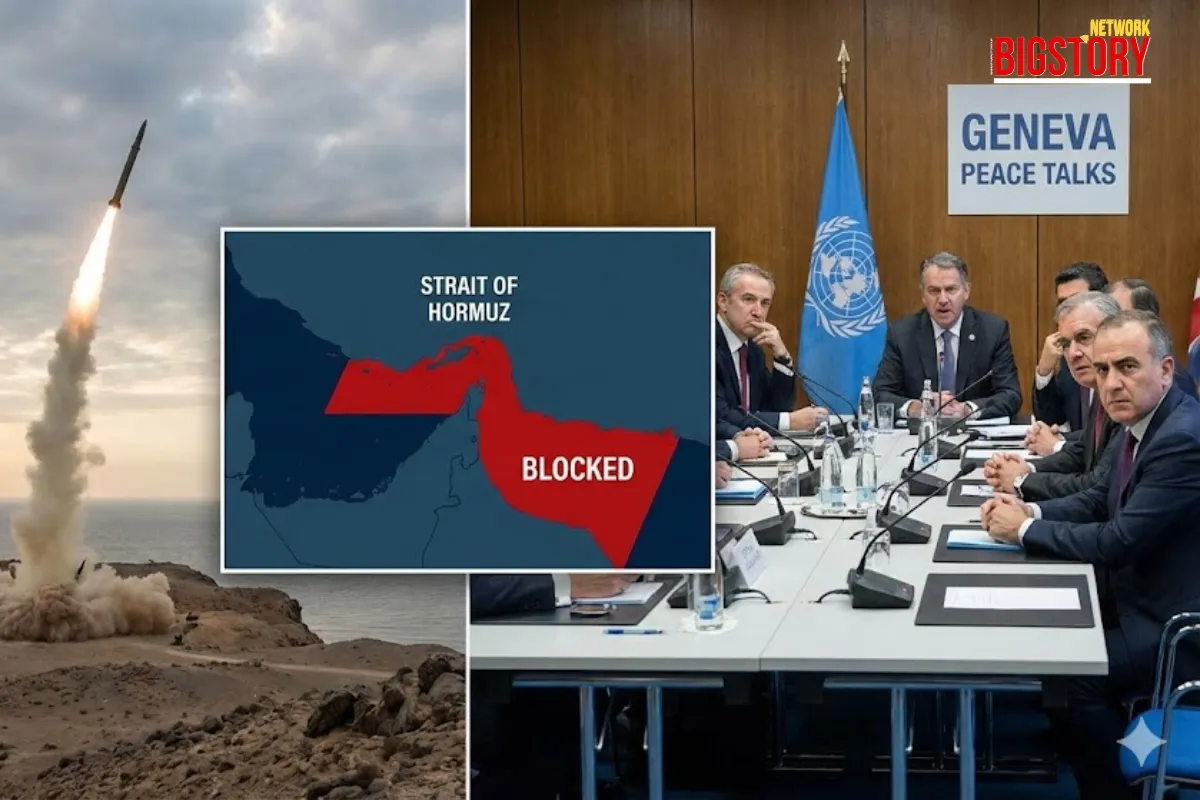
The diplomatic clock is ticking louder than ever in Geneva. On Thursday, February 26, U.S. and Iranian delegations entered separate rooms in the Swiss capital for a third, and potentially final, round of indirect nuclear negotiations. Hovering over the table is a massive U.S. military deployment—led by the USS Gerald R. Ford and USS Abraham Lincoln—and a blunt 10-day ultimatum issued by President Donald Trump.

This matters because the gap between diplomacy and devastation has never been narrower. The U.S. has drawn an absolute "red line" demanding that Tehran immediately dilute its stockpile and cease all uranium enrichment (bringing it down from 60% to 0%). Iran’s leadership insists it is operating in "good faith," but the legacy of the June 2025 "Operation Midnight Hammer" strikes on Iranian nuclear sites serves as a grim reminder that Washington is fully prepared to enforce its deadlines with bunker-buster munitions.

The "BigStory" Angle (The "Economic Siege" Leverage)

Mainstream media is obsessing over the military brinkmanship and the aircraft carriers. They are missing the true strategic driver: The Economic Siege.

President Trump's hardline strategy isn't just about the "Art of the Deal" or projecting military strength; it relies heavily on the internal collapse of the Iranian economy. With the Iranian rial plummeting to a record low of 1.42 million to the U.S. dollar late last year, the regime is facing massive domestic unrest. The U.S. negotiation team knows that Tehran is functionally too broke to sustain a prolonged, multi-front war. Consequently, the optimistic statements from Iranian negotiators regarding a "historic opportunity" for peace are likely less about diplomatic goodwill and more a reflection of profound economic desperation.

Furthermore, watch the Deepfake Deterrence angle. Iranian state media has aggressively labeled Western reports of impending U.S. strike plans as "media terrorism." Tehran is actively trying to counter AI-amplified psychological warfare that they fear is designed to trigger a domestic uprising or coup before a single missile is even launched.

The Context (Rapid Fire)

  • The Trigger: President Trump officially issued his 10-day ultimatum on February 19 at the Board of Peace debut, explicitly warning that if Iran fails to agree to a "meaningful deal," military escalation is imminent.
  • The Backstory: These talks carry the trauma of June 2025, when the U.S. and Israel executed the 12-day "Midnight Hammer" air campaign, severely damaging the Natanz and Fordow nuclear facilities following an IAEA non-compliance report.
  • The Escalation: In his recent State of the Union address, Trump reiterated that while diplomacy is his preference, he will "never allow Iran to have a nuclear weapon," setting the stage for a zero-sum negotiation this week.

Key Players (The Chessboard)

  • Steve Witkoff (The Enforcer): The U.S. Special Envoy leading the American delegation. He is aggressively pushing for an ironclad agreement with "no sunset clauses," demanding permanent behavioral changes from Tehran.
  • Abbas Araghchi (The Pragmatist): Iran’s Foreign Minister and chief negotiator, who is attempting to secure vital sanctions relief while balancing immense pressure from domestic hardliners and nationwide anti-regime protests.
  • Majid Takht-Ravanchi (The Diplomat): Iran’s Deputy Foreign Minister, who remains vocal about Tehran's "sincerity" in the negotiating room, contrasting it with what he calls the "media terrorism" of U.S. threats.

The Implications (Your Wallet & World)

  • Short Term (Energy Markets): Energy and defense investors must watch this window closely. If the talks yield a joint "constructive" statement by March 1, global oil prices (LCO1!) will likely stabilize. If the delegations walk away abruptly, expect immediate, severe market volatility on the expectation of blocked shipping lanes.
  • Long Term (Middle East Stability): The 10-day window forces a binary outcome. Either the Geneva talks produce the framework for the most restrictive nuclear containment treaty in modern history, or the Middle East plunges into a direct U.S.-Iran conflict before the end of spring.

The Closing Question

The U.S. is demanding "zero enrichment," while Iran views completely dismantling its nuclear infrastructure as a total surrender. With the military clock ticking, is there any middle ground left to find in Geneva, or is a strike inevitable? Tell us in the comments.

FAQs

  • Q: What is the deadline for the U.S.-Iran talks in Geneva?
  • A: President Donald Trump issued a 10-day ultimatum on February 19, 2026, meaning the diplomatic window to reach a "meaningful deal" effectively expires in early March.
  • Q: Will the U.S. attack Iran if the Geneva talks fail?
  • A: While negotiators are currently at the table, the U.S. has amassed its largest Middle East naval presence in decades, and Trump has explicitly warned of "really bad things" if his red lines are not met.
  • Q: What are Trump's "red lines" for the Iran nuclear deal?
  • A: The primary U.S. demand is "zero uranium enrichment," requiring Iran to dilute its existing stockpiles and accept a permanent agreement with absolutely no expiration or "sunset clauses."
  • Q: Who is representing the U.S. in the Geneva talks with Iran?
  • A: The U.S. delegation is being led by U.S. Special Envoy to the Middle East, Steve Witkoff.

Sources:


Sseema Giill
Sseema Giill Founder & CEO

Sseema Giill is an inspiring media professional, CEO of Screenage Media Pvt Ltd, and founder of the NGO AGE (Association for Gender Equality). She is also the Founder CEO and Chief Editor at BIGSTORY NETWORK. Giill champions women's empowerment and gender equality, particularly in rural India, and was honored with the Champions of Change Award in 2023.

BIGSTORY Trending News! Trending Now! in last 24hrs

The Stolen Speedboat: Why a Deadly Shootout in Cuba is Sparking a Cold War Crisis
International News
The Stolen Speedboat: Why a Deadly Shootout in Cuba is Sparking a Cold War Crisis
The 10-Day Clock: Why Trump's Iran Ultimatum is an Economic Siege, Not Just a Military Threat
International News
The 10-Day Clock: Why Trump's Iran Ultimatum is an Economic Siege, Not Just a Military Threat
The End of the UN? How Trump is Using the Iran Crisis to Rewrite Global Law
International News
The End of the UN? How Trump is Using the Iran Crisis to Rewrite Global Law
The "Smart Control" Trap: Why Iran Just Fired Missiles Hours Before Geneva Talks
International News
The "Smart Control" Trap: Why Iran Just Fired Missiles Hours Before Geneva Talks